How Sitar Music Helps Preserve India’s Classical Heritage
- Home
- How Sitar Music Helps Preserve India’s Classical Heritage

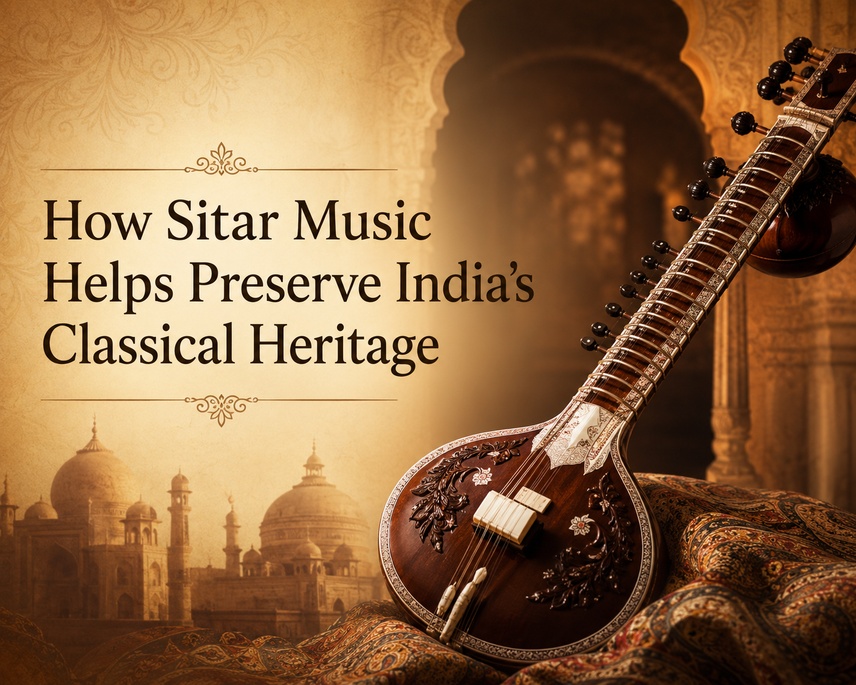
The tradition of classical music in India is one of the oldest systems of music in the world. It is a history, a philosophy and a rich emotional outburst of the generations. Of the numerous tools that have contributed to this heritage, sitar music is one of them. Its music is immediately identifiable and closely related to the Indian classical traditions.
The sitar instrument has developed throughout centuries and has come to be the principal voice in Hindustani classics. That gives the sitar an advantage over other musical instruments: the combination of a long neck, reverberating strings, and complicated tuning enables a musician to convey complex ragas which define particular moods, seasons, and times of the day. Every performance is not merely music; it is a narration which is based on Indian culture.
In the past, the guru-shishya parampara was the most common means of learning and the sitar players were taught by their instructors directly. This practice served not only to save musical techniques but also the discipline, values and philosophy behind classical music.
Due to the changing lifestyles, less time is spent listening to traditional music at a tender age. The sheer desire to study Indian classical music has however helped to rekindle the awareness among the younger generations. There is patience, learning to listen, and respect for tradition that learning the sitar can offer that transcends music.
Indians are now attending classes on musical instruments in order to rejoin their Indian roots. Sitar, especially, serves as an interface between the ancient practices and modern students and assists in keeping the classical music relevant in the present world.
Although the conventional learning approach is still useful, contemporary approaches such as the online sitar lessons have enabled classical music to become more approachable. Learning techniques, ragas and theory through experienced teachers is now limited by no geographical boundary for the students. Such an expanded coverage also means that the sitar music is able to flourish even outside the boundaries.
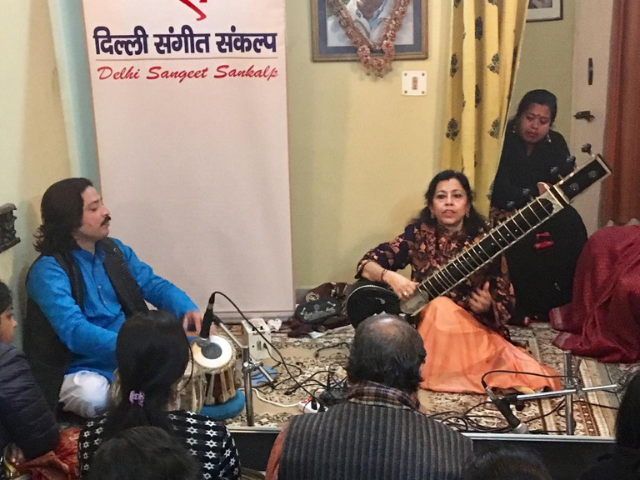
Classical music study is still going on in cities where there are substantial cultural groups like in Delhi. The contribution of Sitar classes in Delhi is that they help in breeding students who will uphold the discipline and performance of Indian classical music.
Indian classical music is included in the list of intangible cultural heritage at UNESCO. To preserve it is not simply an artistic issue but also a cultural preservation. Any student learning the sitar is adopted into this living tradition and he or she assists in preserving a legacy that would otherwise be forgotten over time.
The Sitar music is not just an art form; it is the cultural library which manifests itself through music. Through learning, teaching and listening to sitar, individuals are involved in the conservation of the classical heritage of India. Musicians are still able to preserve this classical music through their hard work and adherence to tradition. Teachers such as Ratna Lahiri have a significant role in continuing this legacy so that future generations will feel that the soul of Indian classical music will be alive.